AI Is Changing India’s IT Industry. Are Professionals Ready for the New Rules of Work?
As technology companies rethink traditional service models, the next career advantage may belong to professionals who know how to work with artificial intelligence.
By Editorial Desk7 min read
Share this story
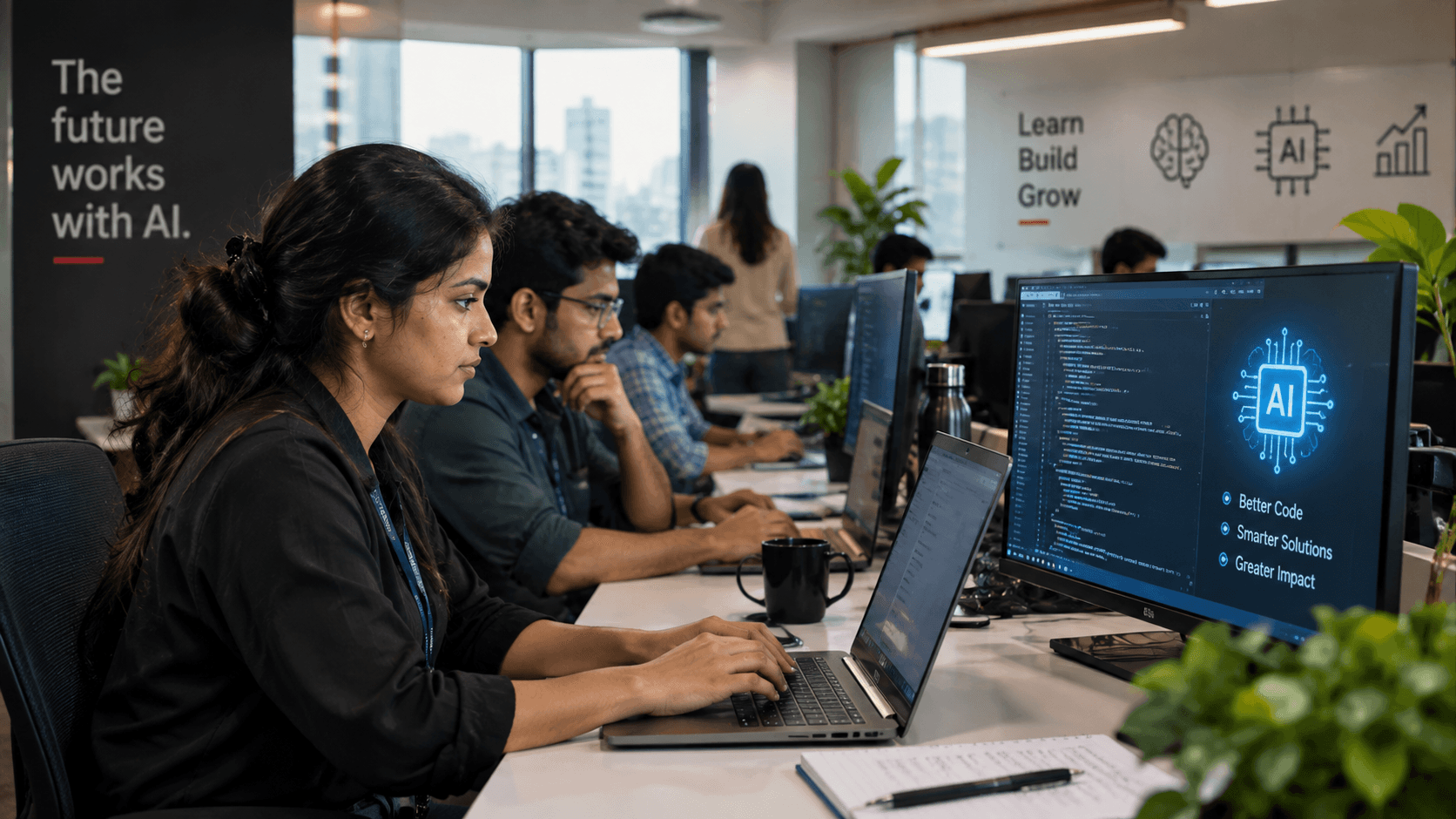
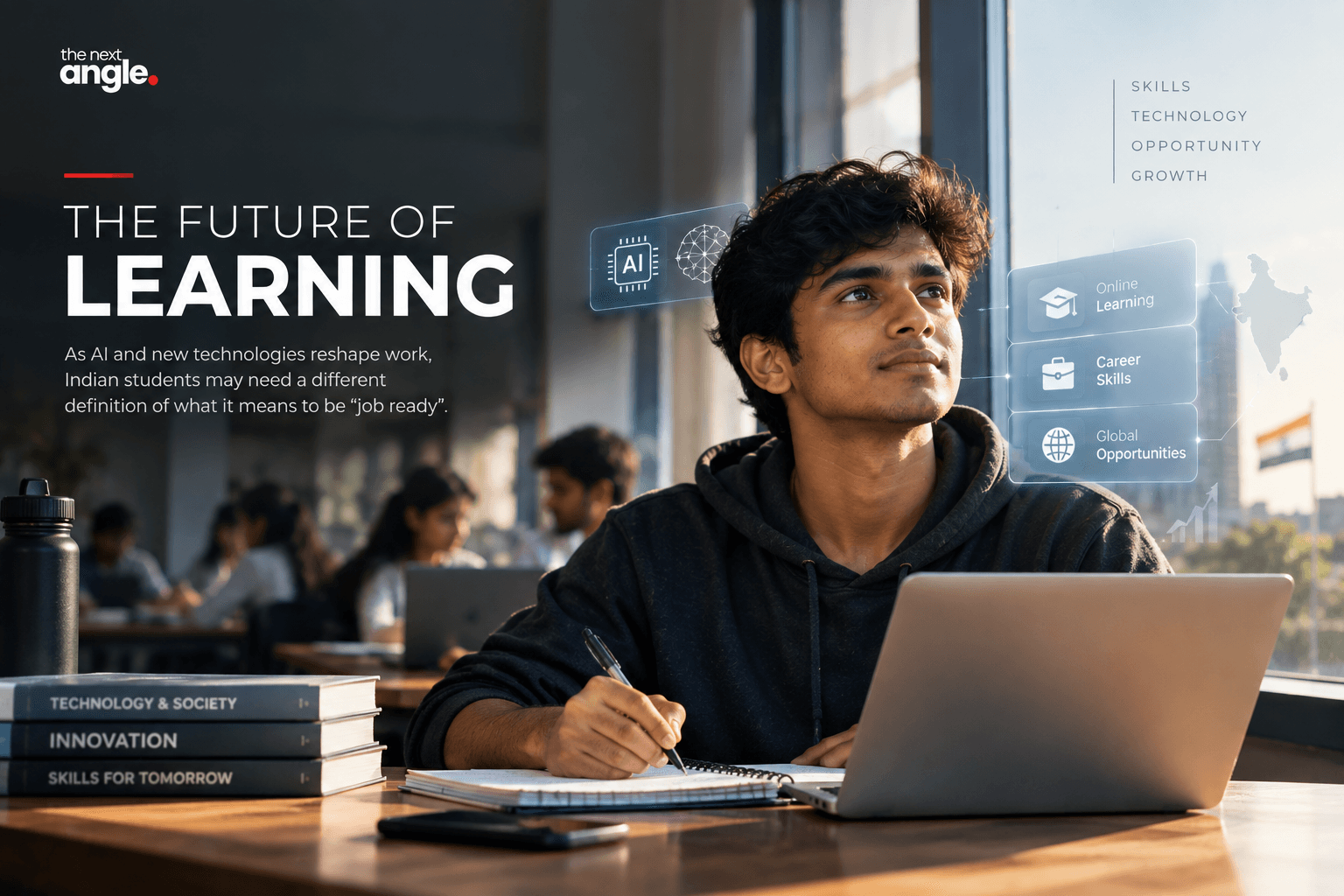
Artificial intelligence is no longer just a technology experiment for Indian IT companies. It is influencing client expectations, pricing models and business strategies. The bigger question is whether India's workforce can adapt quickly enough to turn this disruption into a career opportunity.
A New Phase for India's IT Industry
For years, India's information technology industry built its global reputation on skilled engineers, software development, outsourcing and the ability to deliver complex projects at competitive costs. That model helped Indian companies become essential technology partners for businesses around the world.
Artificial intelligence is now changing the expectations behind that relationship. Companies increasingly want faster delivery, greater automation and measurable business outcomes. Tasks that once required substantial manual effort can, in some cases, be completed more quickly with AI-powered tools.
Recent developments at HCLTech illustrate the changing environment. On October 12, Reuters reported that the company had flagged volatile demand and AI-related pricing pressure while maintaining a cautious outlook for annual revenue growth. The company also reported growth in its advanced AI revenue, highlighting how traditional IT services and newer AI opportunities are developing simultaneously.
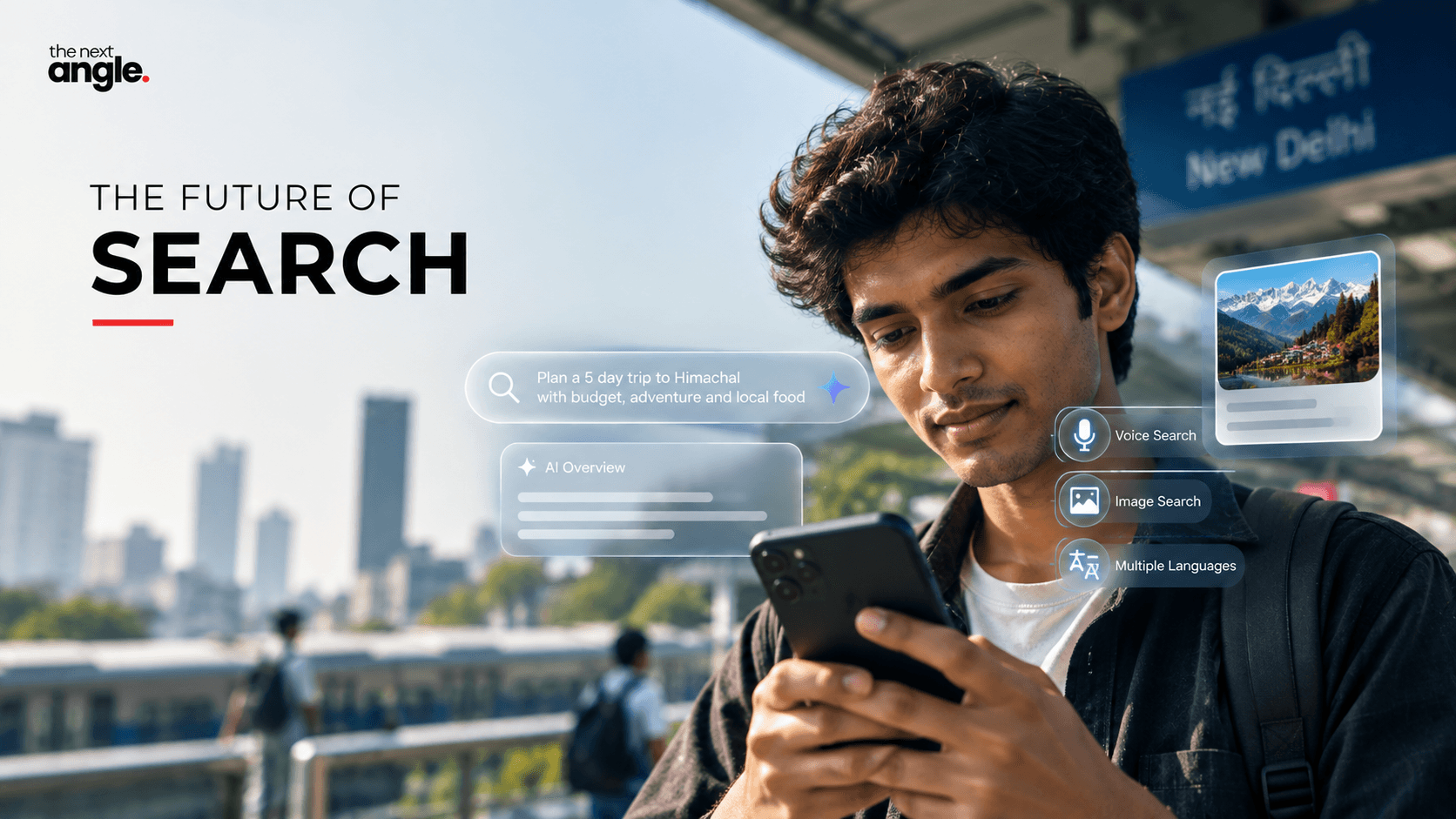
AI Is Changing How Indians Search for Information — What Comes Next?
The message is not that India's IT industry is disappearing. It is that the industry is being pushed to evolve.
Why AI Is Challenging the Traditional Business Model
Traditional IT services often rely on teams of professionals spending time developing software, testing applications, maintaining systems and supporting clients. In many projects, commercial arrangements have historically been linked to the time and people required to complete the work.
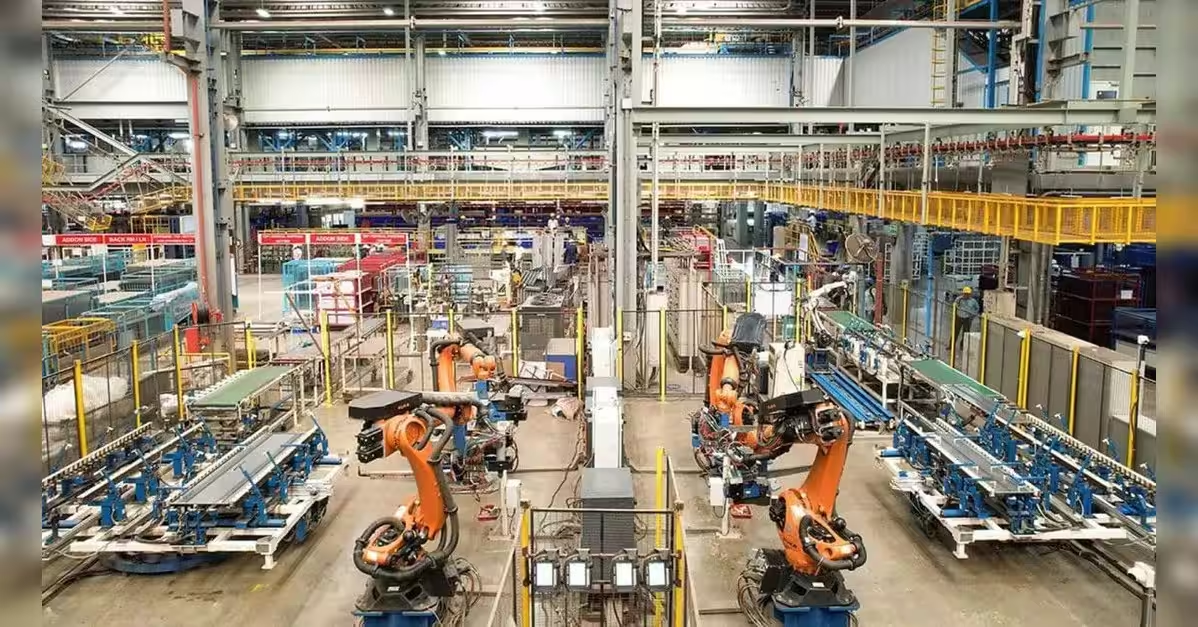
AI tools can change that equation. A developer using an AI coding assistant may complete certain tasks more quickly. Automated testing tools can help identify defects, while AI systems can assist with documentation, data analysis and customer support.
For clients, these capabilities can mean faster delivery and lower costs. For service providers, however, greater productivity can create a difficult question: if a task requires fewer working hours, how should the service be priced?
The answer may involve new commercial models based on outcomes, productivity, specialist expertise and the value delivered to clients.
Not every task can be automated, and AI-generated work still requires human judgement, testing and accountability. But the pressure to demonstrate greater value for every rupee spent is becoming an important part of the industry's transformation.
Will AI Take Away IT Jobs?
The question of whether AI will eliminate IT jobs is understandable, especially among fresh graduates and professionals entering the workforce. However, the reality is more complex than a simple prediction of mass job losses.
Some repetitive tasks may require fewer people as automation improves. At the same time, organisations need professionals who can integrate AI into existing systems, assess the accuracy of its outputs, protect sensitive data and build reliable products around it.
The nature of certain jobs may change before the job itself disappears. A software developer may spend less time writing routine code and more time designing systems, reviewing AI-generated output and solving difficult technical problems.
The impact will differ across companies, occupations and experience levels. AI adoption does not automatically translate into a specific number of jobs lost or created, and individual employers' hiring decisions will remain important.
For workers, the practical lesson is to prepare for changing responsibilities rather than assume either that every job is safe or that every job is about to disappear.
The Skills That Could Matter More
As AI becomes more integrated into business operations, professionals may benefit from combining technical knowledge with the ability to solve real-world problems.
AI literacy: Understanding what AI tools can and cannot do, how to use them effectively and how to verify their outputs.
Strong fundamentals: Programming, databases, networking, cybersecurity and software architecture remain important because AI-generated solutions still need to work reliably.
Data and analytical thinking: Businesses need people who can interpret information, identify patterns and turn findings into useful decisions.
Cybersecurity and responsible AI: Protecting systems, handling data responsibly and assessing security risks become especially important as AI is introduced into business processes.
Communication and domain expertise: Professionals who understand a client's industry and can explain technical solutions in practical terms may be better positioned to deliver meaningful results.
These skills are not a guarantee of employment. Their value depends on the role, the employer and the ability to demonstrate genuine competence. Building small projects and solving practical problems can be more useful than collecting certificates without applying what they teach.
What Should Fresh Graduates Do Now?
For students and recent graduates, the rise of AI can feel like an additional barrier in an already competitive job market. The response should not be to chase every new tool or abandon established technical foundations.
A more practical approach is to choose one area of interest, learn the fundamentals and use AI tools to build something tangible. A student interested in software development could create a working application. Someone interested in data could analyse a real dataset. An aspiring cybersecurity professional could practise in authorised learning environments.
Candidates should also learn to explain their work, discuss technical trade-offs and identify mistakes in AI-generated results. Employers need people who can take responsibility for a solution, not merely produce an output with the help of a chatbot.
For professionals already working in IT, regularly reviewing which parts of their role are becoming automated can help them identify useful areas for upskilling.
The Opportunity India Should Not Ignore
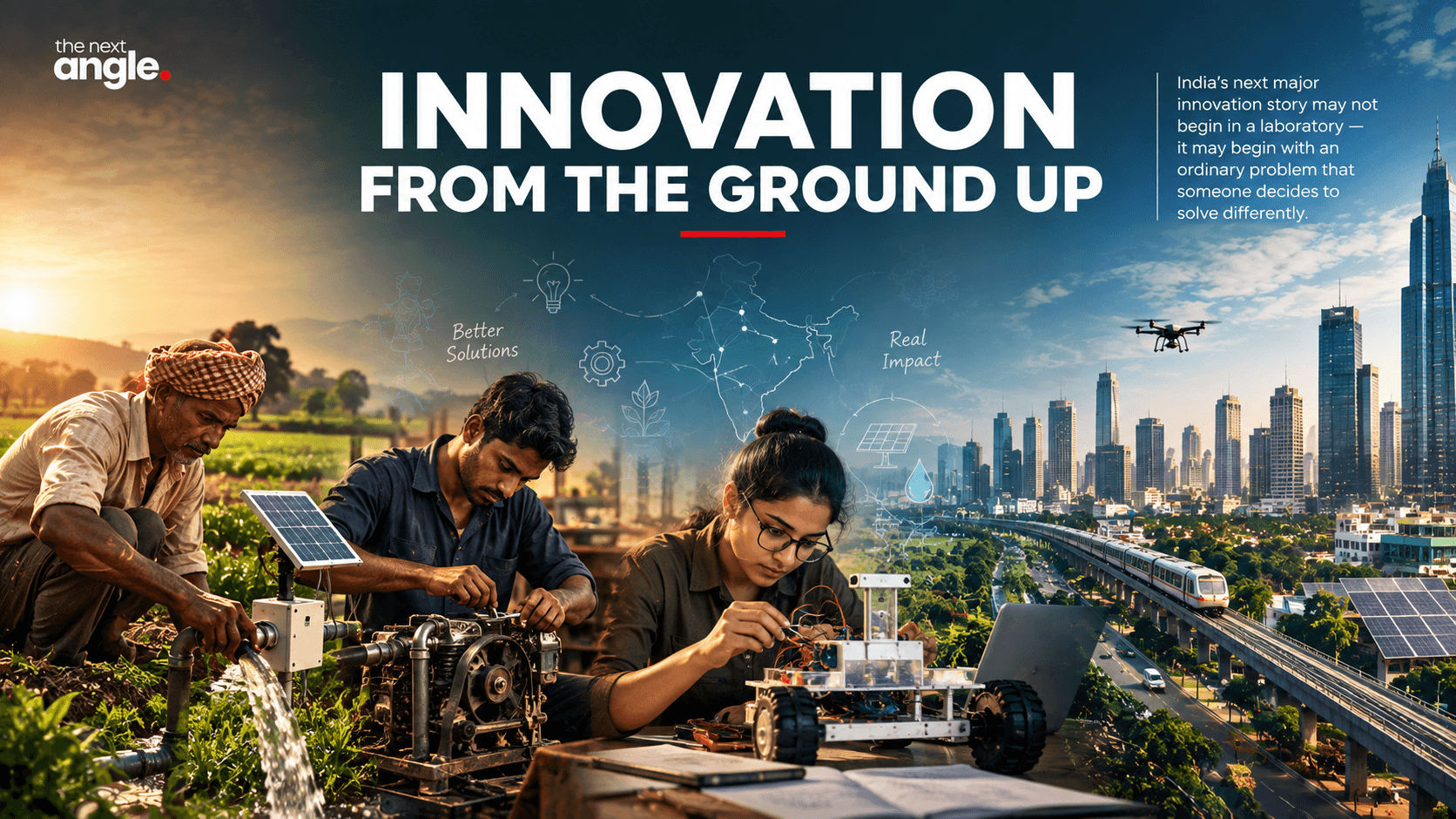
India has a large technology workforce and an established IT services industry. These strengths could help the country participate in the development and adoption of AI across sectors, from finance and healthcare to manufacturing, education and public services.
However, the opportunity will not automatically benefit every worker or company. Businesses must invest in training, educational institutions need to keep curricula relevant, and professionals need realistic access to opportunities for learning and career transition.
Smaller companies also need affordable ways to adopt AI safely. Without practical support and a stronger skills pipeline, the gains could be unevenly distributed.
India's challenge is therefore not simply to adopt AI quickly. It is to build the capabilities that allow workers and businesses to benefit from it.
The Next Angle: The Real Advantage Will Be Adaptability
AI is changing the economics of technology work, but it has not removed the need for people who understand problems, make responsible decisions and deliver dependable results.
The professionals most likely to navigate this transition successfully will not necessarily be those who use the greatest number of AI tools. They will be the ones who understand when to use them, how to verify their work and how to connect technology with a genuine business need.
For companies, the challenge is to transform productivity gains into sustainable growth. For employees, it is to keep their skills relevant. For India, it is to ensure that technological progress creates opportunities across the workforce rather than benefits only a narrow group.
The next big advantage in India's IT industry may not belong to those who compete against AI, but to those who learn to use it with skill, judgement and purpose.