When a Name Disappears From the Voter List, What Happens to Democracy?
India’s voter-list controversy raises a larger question about electoral accuracy, citizens’ rights and the responsibility to ensure that every eligible voter gets a fair chance to participate.
By Editorial Desk6 min read
Share this story
A voter list is more than an administrative document. It is the gateway to democratic participation. As controversy over voter deletions reaches the Supreme Court, the real challenge is to ensure that cleaning electoral rolls does not leave eligible citizens behind.
A Political Dispute With a Citizen at Its Centre
India’s voter-list revision has become a major political and constitutional issue. On October 12, opposition leaders and supporters marched towards the Supreme Court in Delhi, challenging the process through which millions of names have reportedly been removed from electoral rolls. The opposition has sought an audit of deletions, safeguards against removal without adequate notice and an interim suspension of the revision process. The dispute has intensified amid competing claims over the fairness and implementation of the exercise.
The Election Commission has denied allegations of political bias and said voters whose names were wrongly removed can re-enrol. The opposition, meanwhile, has raised concerns about transparency and the possible impact on eligible voters. These are competing positions, and the outcome of the legal challenge will be important in determining what safeguards may be required.
Degrees Are Increasing, but What Skills Are Employers Actually Looking For?
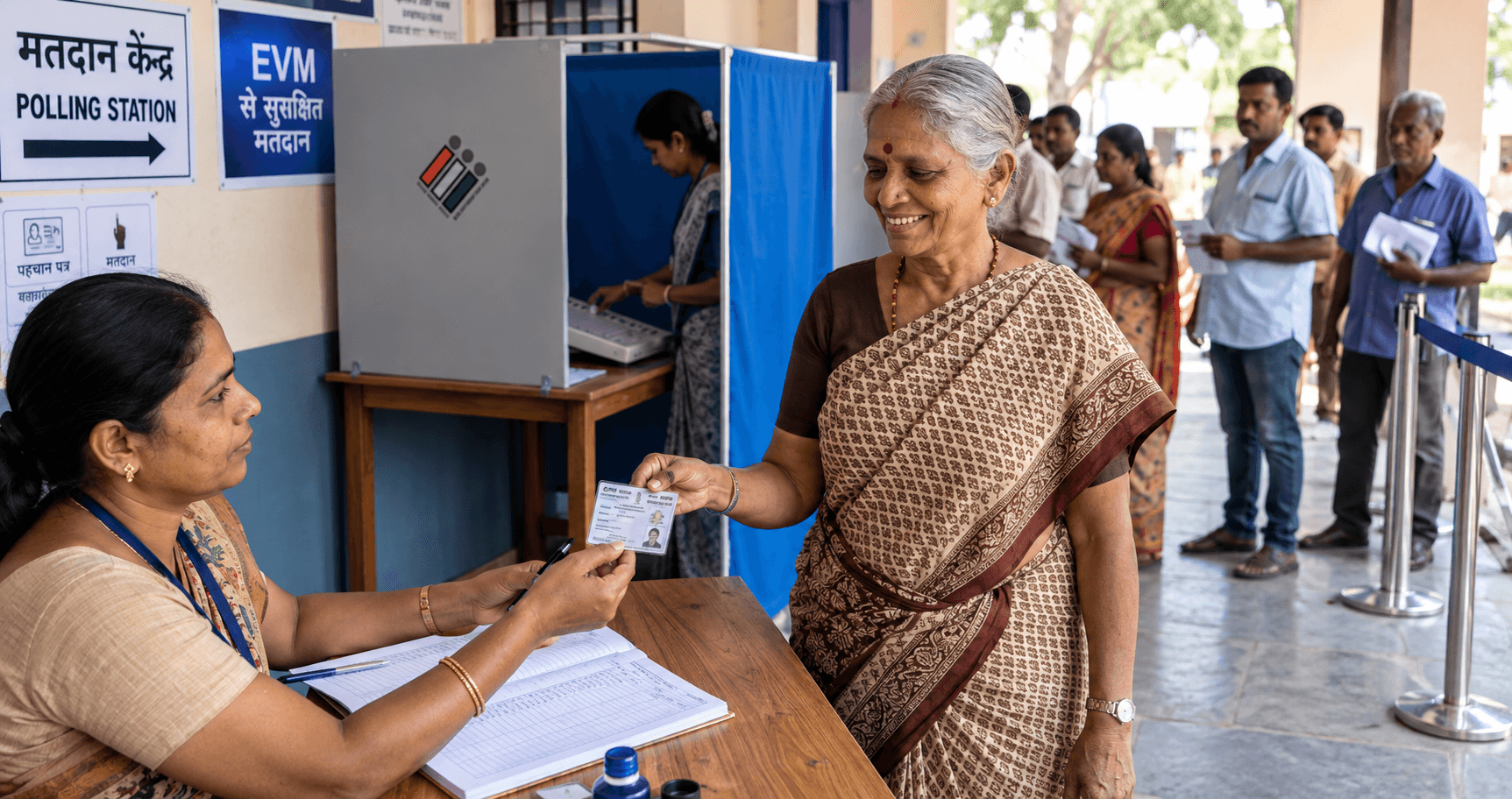
A voter list may look like a routine government record, but its consequences are deeply personal. For a citizen, being registered is the first step towards exercising the right to vote. If an eligible person's name is missing when an election arrives, the practical ability to participate may be affected, even if the person believes they have fulfilled every requirement.
This is why electoral-roll accuracy cannot be measured only by the number of entries removed or corrected. It must also be judged by whether eligible citizens remain registered, whether mistakes can be identified and whether affected people have a realistic opportunity to resolve them before polling day.
Cleaning the List Is Necessary - But So Is Protecting Voters
Electoral rolls need regular maintenance. Duplicate entries, deceased voters and outdated addresses can undermine the accuracy of election records. People who have moved may also need their registration details updated. A credible electoral system must address these problems.
However, removing incorrect entries and protecting eligible voters are not opposing goals. Both are essential to public confidence. The challenge lies in ensuring that verification procedures are accurate, transparent and accessible, especially for people who may struggle to obtain documents, respond to notices or navigate digital registration systems.
A process designed to improve accuracy must also have a reliable way to correct its own mistakes.
The Most Important Question Is What Happens After Deletion
The central issue is not simply whether names have been removed, but how each removal was verified and what happened to the people affected. Were the records checked through dependable procedures? Were appropriate notices provided where required? Could citizens challenge an incorrect decision? Were correction mechanisms accessible before elections?
These questions require evidence rather than political assumptions. Independent scrutiny, transparent figures and clear procedures for appeals can help distinguish legitimate corrections from errors that could prevent eligible citizens from voting.
The Supreme Court proceedings may bring greater attention to these concerns. Until the legal process establishes further findings, allegations of wrongdoing should not be treated as proven facts.
The Digital Divide Could Make the Problem Harder
For citizens who regularly use smartphones, online portals and digital documents, correcting a registration problem may appear straightforward. For some elderly people, migrant workers, people in remote villages and citizens with limited digital access, the same process can be considerably more difficult.
A person who has moved for work may not know where to check their current registration. An elderly voter may depend on family members for online assistance. A citizen with limited access to official information may discover an error only when an election is approaching.
These examples illustrate why an effective voter-verification system needs more than a website. Clear public communication, accessible help centres, timely notices and practical opportunities to correct errors can make the difference between a formal remedy and one that people can actually use.
Trust Is Built Through Transparency
Public confidence in elections depends not only on the final result but also on confidence in the process. When large-scale changes to voter lists become controversial, publishing clear information about the reasons for deletions, the verification methods used and the correction process becomes especially important.
Transparency can help electoral authorities explain legitimate administrative decisions. It can also help identify mistakes before they affect voting. Independent scrutiny, where appropriate, can strengthen confidence by allowing claims to be tested against evidence rather than political rhetoric.
The goal should not be to protect any political party from criticism. It should be to protect the integrity of the electoral process and the ability of eligible citizens to participate in it.
The Next Angle: Democracy Begins Before the Vote
Election debates often focus on campaigns, candidates, alliances and results. Yet a more fundamental question comes before all of them: is every eligible citizen able to reach the ballot box?
The voter-list controversy is a reminder that democratic participation depends on administrative decisions that often receive little public attention until something goes wrong. An accurate electoral roll is essential, but accuracy must include safeguards against wrongful exclusion.
The ultimate test of an electoral system is not merely how efficiently it removes incorrect records. It is whether it can do so while ensuring that eligible citizens are not unfairly denied their opportunity to vote.
Because democracy does not begin when a voter presses a button. It begins when that voter’s right to participate is protected.