India’s $12 Billion Chip Push: Why the Next Semiconductor Race Is About More Than Making Chips
Fresh investment interest in India’s semiconductor ecosystem is expanding beyond chip factories into equipment, materials, packaging, research and supply chains.
By Saurabh Mahto7 min read
Share this story
India’s semiconductor ambitions are entering a new phase, with around $12 billion of fresh industry interest reported under ISM 2.0. The bigger story may not simply be about making chips in India, but about building the ecosystem that makes chip manufacturing possible.
India’s Semiconductor Story Is Entering Its Next Phase
India's semiconductor ambitions are moving beyond the initial race to establish chip-making facilities.
The latest developments around India's second semiconductor programme indicate that companies are showing interest across a much wider part of the supply chain, including semiconductor equipment, materials, gases, chemicals, substrates, packaging, design and research.
Union Electronics and IT Minister Ashwini Vaishnaw said the government has received investment interest of around $11–12 billion under the second phase of India's semiconductor programme. The investments are expected to come over the next two to three years, subject to company approvals.
The $12 Billion Number Is Only One Part of the Story
The headline figure is significant, but the composition of the investment interest is arguably more important.
AI Is Changing How Indians Search for Information — What Comes Next?
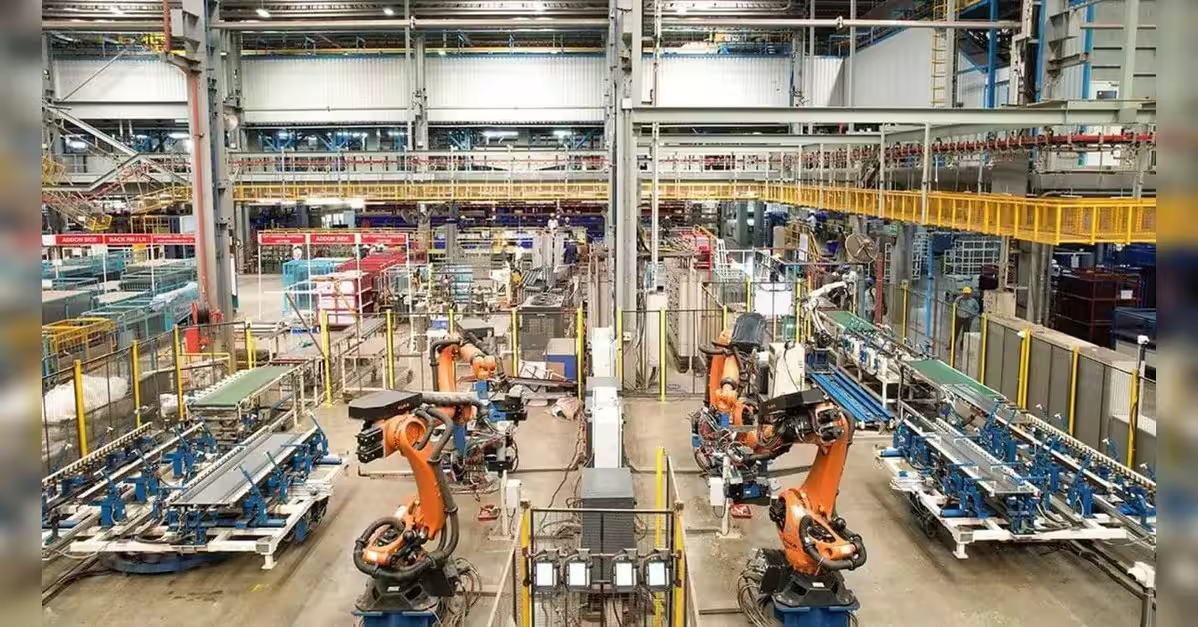
A semiconductor factory cannot operate in isolation. It requires specialised equipment, high-purity materials, chemicals, gases, substrates, engineering services and a network of suppliers.
That means India's semiconductor opportunity is gradually expanding from “Can India make chips?” to a much broader question:
Can India build the industrial ecosystem required to make chips at scale?
That shift could have implications for manufacturing, engineering, research and smaller component suppliers.
Global Chip Companies Are Increasing Their India Footprint
Several major semiconductor companies have announced or discussed new investments in India.
Applied Materials announced plans to invest $5 billion in India over the next decade, with its expansion focused on areas including research, supply-chain development and workforce growth.
Lam Research has also announced a planned investment of around ₹10,000 crore in India, with its Bengaluru operation looking to source components locally for high-precision semiconductor manufacturing equipment.
These developments are significant because semiconductor equipment is itself a critical part of the chip manufacturing chain.
The Real Opportunity May Be Behind the Chip Factory
When people hear “semiconductor manufacturing”, the image is usually a giant fabrication plant.
But the industry is much larger.
A modern chip can depend on hundreds of specialised processes and suppliers before it reaches the final product.
Equipment manufacturers, chemical suppliers, materials companies, testing facilities, packaging plants and engineering teams all form part of the ecosystem.
This creates a potentially wider opportunity for India.
Instead of measuring success only by the number of fabs built, the country's semiconductor progress can also be measured through how many supporting industries begin developing around them.
Bengaluru Is Becoming an Important Part of the Supply Chain
Bengaluru is also emerging as an important location in this expansion.
Lam Research plans to develop a new facility in Bengaluru, while Applied Materials has announced a major investment in the city. Karnataka has separately identified a potential semiconductor investment pipeline of more than ₹15,000 crore following discussions with companies at SEMICON India 2026.
The state has been seeking investments across semiconductor equipment, advanced packaging, materials, manufacturing and research.
That creates another layer to India's semiconductor story: the competition is not only between countries but also between regions trying to attract parts of the global chip supply chain.
Why AI Is Making Semiconductors More Important
The timing of India's semiconductor push is closely connected to the rapid expansion of artificial intelligence.
AI models require enormous computing power. Data centres, servers and specialised accelerators depend on advanced semiconductor technology.
As demand for AI infrastructure grows globally, countries and companies are looking for additional sources of semiconductor manufacturing and equipment.
Reuters reported that the global chip industry is facing strong demand linked partly to AI, while geopolitical tensions are encouraging companies to diversify supply chains.
For India, that creates an opportunity - but also a difficult challenge.
Building a competitive semiconductor ecosystem requires enormous capital, specialised skills, reliable infrastructure and years of industrial experience.
India Still Has a Long Road Ahead
The recent investment announcements should not be confused with India already becoming a major chip-producing hub.
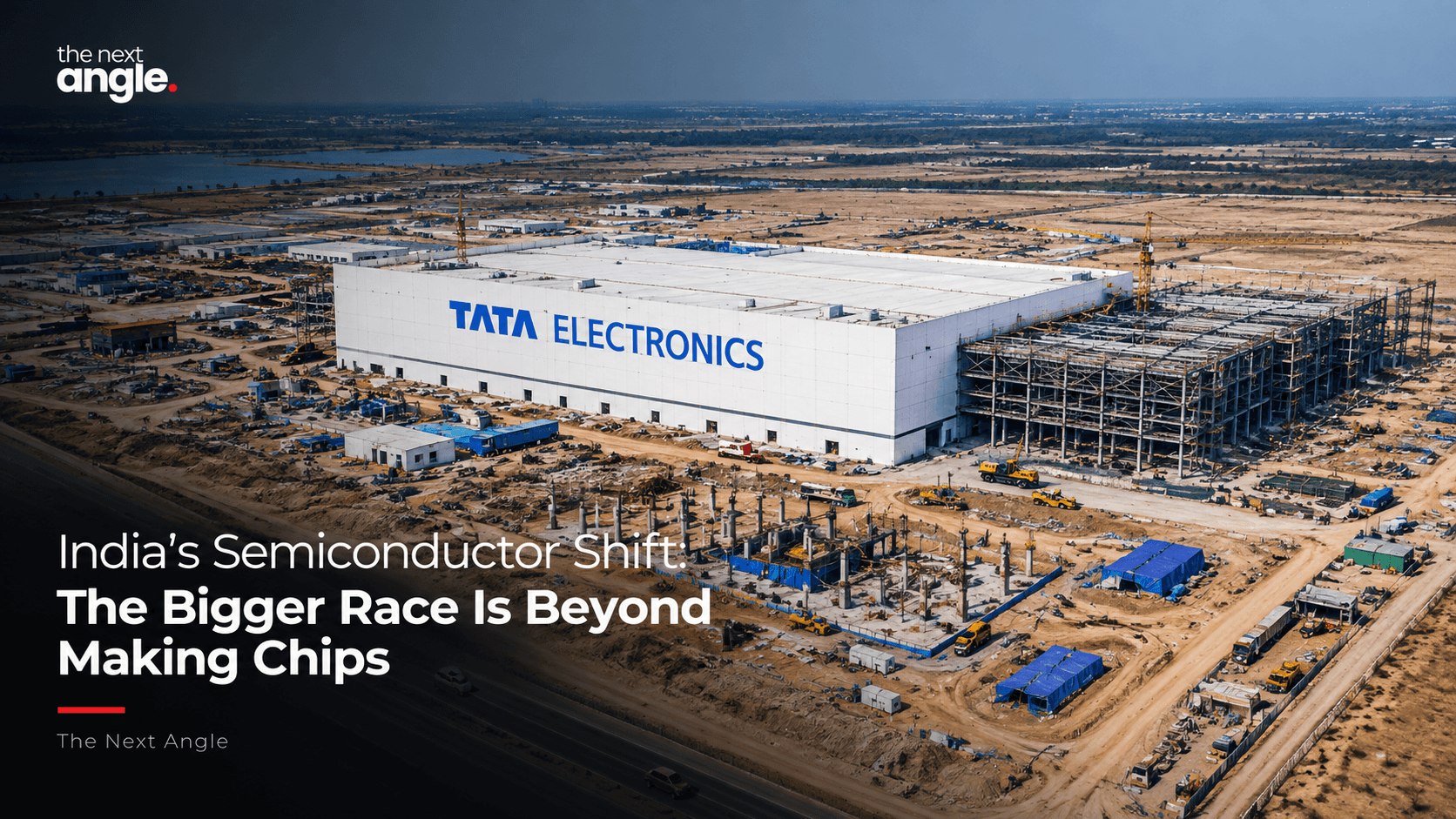
India has approved multiple semiconductor projects and some packaging facilities have begun commercial production, but the country has yet to produce chips from a large-scale fabrication facility.
Reuters reported that the Tata Electronics fab project in Gujarat, which has an estimated investment of around $10 billion, has faced delays to its commercial production timeline.
That distinction matters.
Investment announcements show interest. Actual semiconductor production requires execution.
The next stage of India's semiconductor story will therefore be judged not only by announced investment numbers but also by whether factories, suppliers and skilled workforces actually become operational.
What This Could Mean for Jobs
The semiconductor industry could create employment across more areas than traditional factory work.
Engineers, technicians, researchers, software developers, equipment specialists, chemical engineers and supply-chain professionals are all part of the wider ecosystem.
There is also a secondary effect.
When large semiconductor companies establish operations, they can create demand for local suppliers and specialised service providers.
That means the eventual economic impact could extend beyond the companies making direct investments.
The Next Angle: India Is Not Just Chasing the Chip
The most interesting part of India's semiconductor story may therefore be hiding behind the headline numbers.
The goal is not simply to build a factory where chips are manufactured.
It is to build the ecosystem around the factory. Equipment, Materials, Packaging, Testing, Research, Engineering, Skilled workers, Local suppliers.
That ecosystem could determine whether India's semiconductor ambitions become a sustainable manufacturing capability or remain a collection of individual projects.
The next phase of India's chip story will therefore be less about announcing another investment and more about answering a much harder question:
Can India turn semiconductor investment into a complete industrial ecosystem?