India Faces New 100% US Tariff Risk: What the Russia Oil Bill Could Mean for Trade
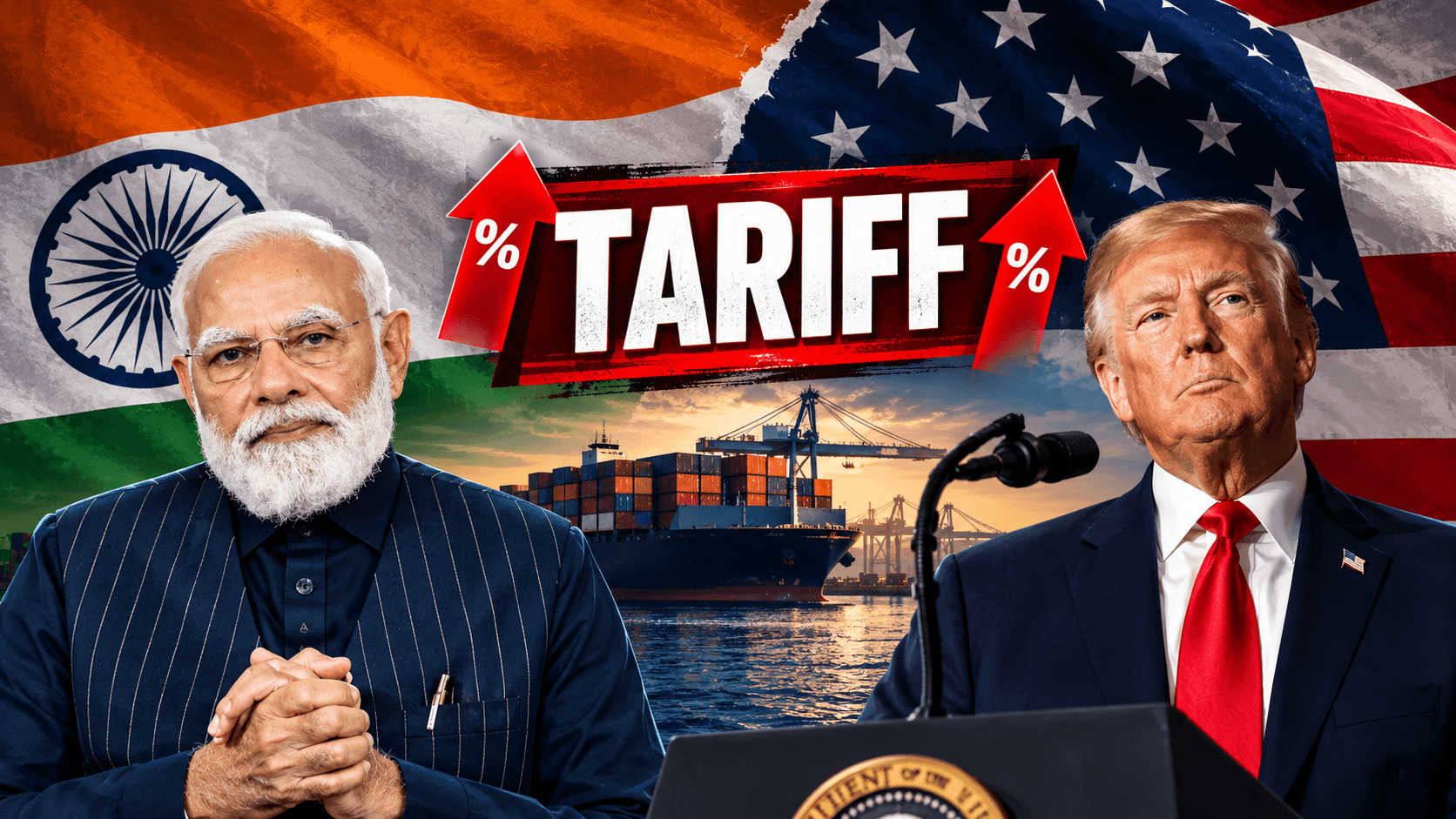
A US House measure has moved forward with provisions that could give President Donald Trump authority to impose tariffs of up to 100% on countries buying Russian energy. India is among the countries named in the measure.
By Saurabh Mahto5 min read
Share this story
A US House bill could give President Donald Trump authority to impose tariffs of up to 100% on countries buying Russian energy, with India among those named in the measure. The bill has advanced, but no new 100% tariff has been imposed yet.
A New Trade Risk for India
India is facing a fresh trade-policy risk from Washington after the US House of Representatives advanced legislation that could authorize tariffs of up to 100% on countries purchasing Russian oil and gas.
India has been specifically named among the countries that could potentially face such measures under the legislation. The House advanced the measure through a 214–211 procedural vote, clearing the way for further consideration.
The development does not mean that a 100% tariff has been imposed on Indian goods. The bill would need to complete the legislative process and become law before the proposed authority could be exercised.
Why Is India Being Mentioned?
The central issue is India's continued purchase of Russian energy.
Russia has remained an important source of crude oil for Indian refiners, while New Delhi has repeatedly emphasized the importance of maintaining energy security and securing supplies for its large domestic market.
UPI Is Changing: What the New ₹2,000+ Payment Rule Really Means for Indians
The proposed US legislation is part of a broader effort to increase economic pressure on Russia. Reuters reported that the measure would give the US president additional authority to impose tariffs on major buyers of Russian energy, including India and China.
What Does the 100% Figure Actually Mean?
The 100% figure is a potential tariff ceiling under the legislation, not a tariff that Indian exporters are currently paying.
If the bill becomes law and the relevant authority is used against India, US duties on affected Indian goods could potentially be increased substantially.
For Indian exporters, that could raise the landed cost of their products in the American market and potentially affect sectors that depend heavily on US demand.
But the actual impact would depend on how the law is implemented, which products are covered and whether exemptions or other provisions are applied.
The Bill Has Not Yet Become a Tariff
This distinction matters.
The US House has advanced the legislation, but the legislative process is not the same thing as an immediate change in customs duties.
Current reporting indicates that the House is moving toward a further vote on the measure. If it ultimately passes the required stages and is signed into law, the administration could then have the authority described in the legislation.
Until then, Indian exporters do not automatically face a new 100% tariff because of this House action.
Why Russian Oil Matters to India
India is one of the world's largest oil-importing economies.
Changes in the source and price of crude can therefore affect much more than the energy sector.
Oil prices influence transportation costs, manufacturing expenses, inflation, trade balances and the country's overall import bill.
The issue is becoming more significant at a time when global crude prices remain elevated. Reuters reported on September 16 that Brent crude was trading around $108 per barrel, while concerns about supply disruptions were adding pressure to the global energy market.
India-US Trade Could Face a New Test
The proposed legislation comes at a sensitive point for India-US economic relations.
The United States is an important destination for Indian exports, while American companies also have significant commercial interests in India's growing economy.
A major increase in tariffs would therefore have implications beyond individual exporters.
It could affect pricing, supply chains, investment decisions and bilateral trade negotiations.
The exact consequences, however, cannot be determined until the legislation's final form and implementation mechanism are known.
The Russia-India Relationship Adds Another Layer
The issue also comes as India and Russia continue to deepen economic and strategic engagement.
Prime Minister Narendra Modi and Russian President Vladimir Putin met in New Delhi earlier this month, where they discussed trade, defence and broader strategic cooperation. Reuters reported that the two sides have a stated objective of increasing bilateral trade from nearly $70 billion to $100 billion by 2030.
That means India's energy relationship with Russia is now connected to a much larger question about how New Delhi balances its relationships with Moscow, Washington and other major economic powers.
The Rupee Is Already Under Pressure
The tariff development also comes at a difficult moment for India's currency and markets.
The rupee closed at around ₹95.96 per US dollar on September 15, according to Reuters, after declining for seven consecutive sessions. High crude prices and expectations around US Federal Reserve policy have added pressure to the currency.
A weaker rupee can make imported energy more expensive in domestic currency terms, adding another variable for policymakers and businesses.
What Could Happen Next?
The immediate focus is on the US legislative process.
The House is expected to consider the Russia sanctions legislation further. If it advances through the remaining stages and becomes law, the administration's next decisions would determine whether and how the tariff authority is actually used.
For India, the key variables will be Russian oil purchases, US legislative action, exemptions or conditions in the final law, and diplomatic negotiations between New Delhi and Washington.
The Next Angle
The headline is “100% tariff on India.”
But the more important story is what happens before that number ever becomes real.
The US legislation links energy purchases, foreign policy and trade policy in a single framework. For India, that creates a difficult economic equation: Russian crude can support energy security and influence the country's import costs, while continued purchases could expose Indian exports to additional trade restrictions if the proposed US authority becomes law and is used.
At the same time, India's relationship with Russia is only one part of a much wider economic network involving the United States, Europe, the Gulf and other energy suppliers.
The question now is not simply whether India will face a 100% tariff.
It is whether India's energy choices are becoming increasingly connected to the cost of accessing global markets.