India-China Ties May Be Thawing, But the Bigger Problem Isn’t the Border - It’s Trade
The Modi-Xi meeting signals a cautious reset in relations, but the real test may be economic rather than diplomatic.
By Saurabh Mahto6 min read
Share this story
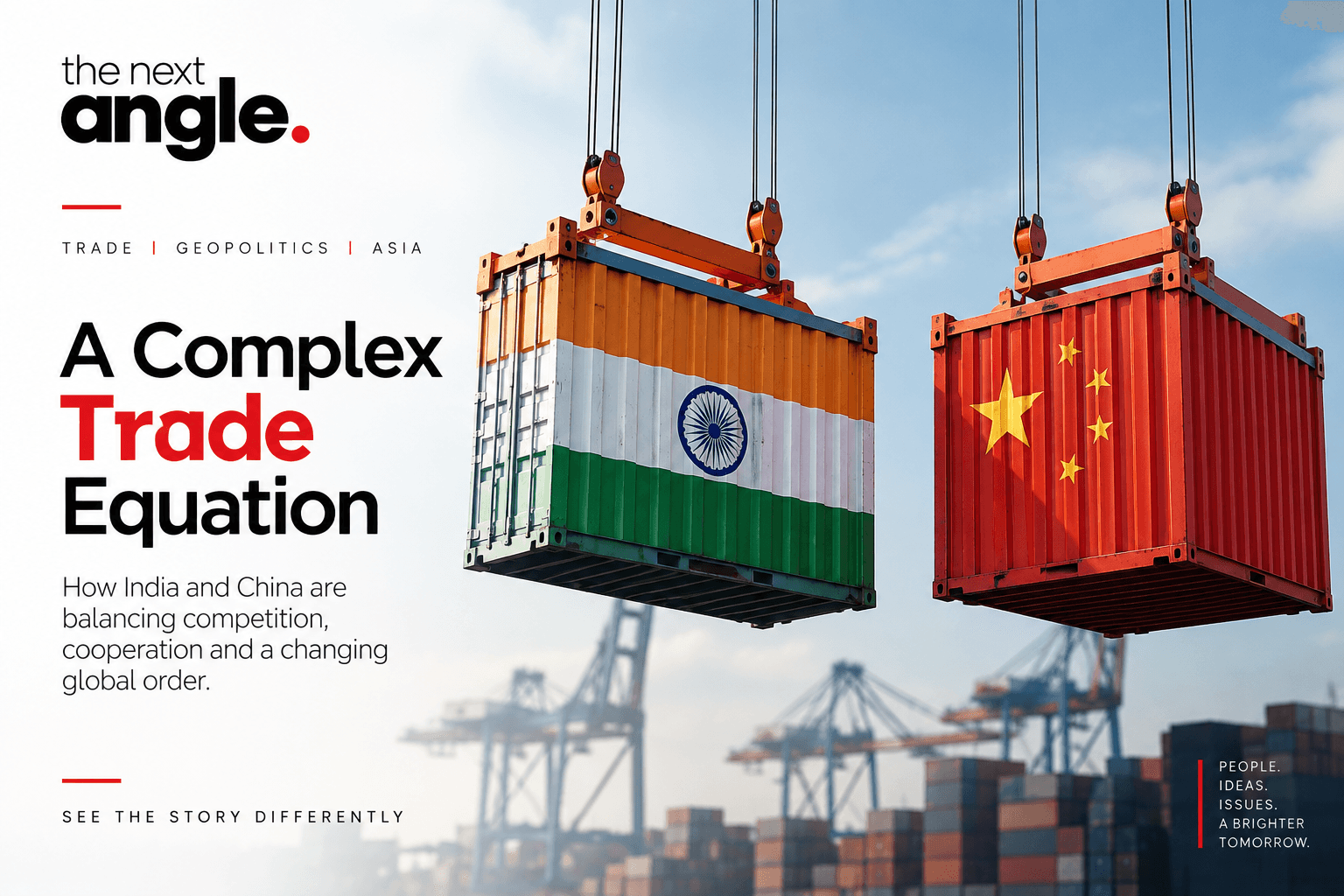
India and China are trying to rebuild ties after years of tension. But behind the diplomatic thaw lies a much harder challenge: a record trade relationship that remains heavily tilted in China’s favour.
A Diplomatic Thaw, With an Economic Question Hanging Over It
NEW DELHI: India and China are showing signs of trying to move their relationship into a more stable phase, nearly six years after the deadly border clash that severely damaged ties between the two countries. Prime Minister Narendra Modi and Chinese President Xi Jinping met on the sidelines of the BRICS summit in New Delhi on Saturday, with both sides signalling the need for greater business links, mobility and continued dialogue.
The meeting was Xi’s first visit to India in seven years and came at a time when military tensions along the disputed Himalayan border have eased compared with the years immediately following the 2020 confrontation. The two countries have also been gradually restoring institutional and people-to-people exchanges. Yet the political thaw is unfolding alongside a much more complicated economic reality.
Trade Between India and China Has Never Been Bigger
India-China trade has reached a record scale even as political relations deteriorated over the past several years. Chinese customs data puts bilateral trade at about $155.6 billion in 2025, underlining just how difficult it is for the two economies to separate their commercial relationship from their broader strategic rivalry.
India Faces New 100% US Tariff Risk: What the Russia Oil Bill Could Mean for Trade
The latest Indian government figures tell an even more revealing story. During the 2025-26 financial year, India exported goods worth about $19.47 billion to China while importing approximately $131.63 billion. That left India with a trade deficit of around $112.16 billion with its northern neighbour.
The numbers matter because they show the central contradiction in the relationship. India and China may be strategic competitors, but their economies remain deeply connected. And that connection is not balanced equally.
The Chinese Products Behind India's Industrial Growth
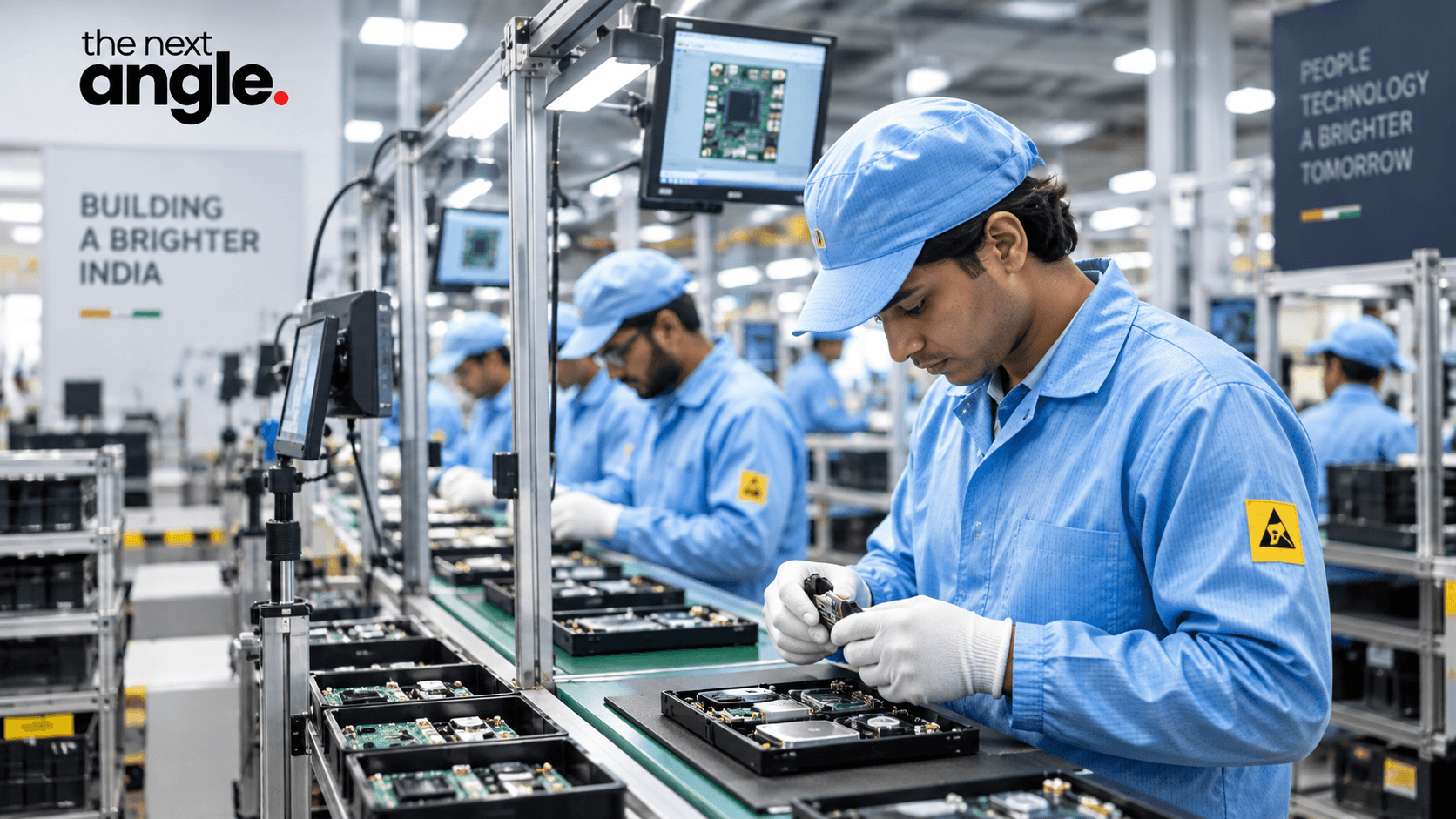
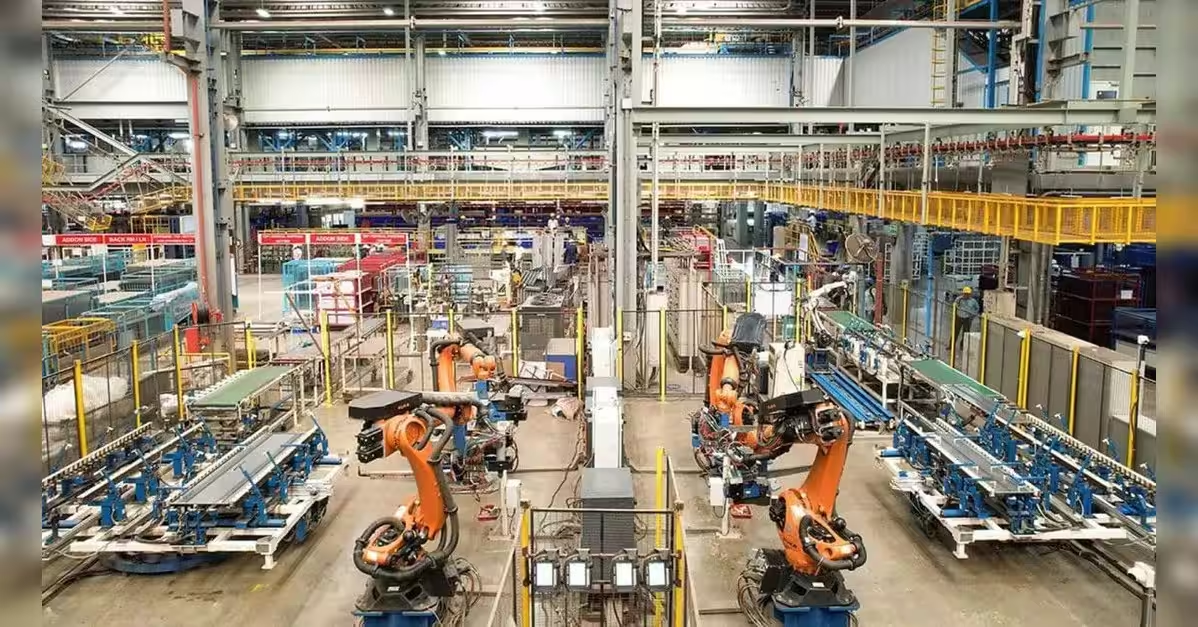
China’s importance to India is not limited to finished consumer products. Indian businesses depend on Chinese supplies across a range of industrial sectors, including electronics, machinery, chemicals and other intermediate goods.
For consumers, this dependence can be difficult to see. A product sold under an Indian brand may be assembled or marketed domestically, while some of its components, machinery or raw materials may originate in China. This makes the trade relationship much more complicated than simply counting how many Chinese-made products enter Indian markets.
The supply-chain question has therefore become an important part of the India-China economic conversation. At their latest meeting, the two countries discussed structural trade imbalances, supply-chain issues and the need for more predictable market access.
India Wants Less Dependence, But Still Needs Chinese Supply Chains
This is where New Delhi faces a difficult balancing act.
India has been pushing domestic manufacturing and trying to diversify critical supply chains. The objective is not necessarily to stop trading with China, but to ensure that Indian companies are not left vulnerable if political tensions or international disruptions affect supplies.
At the same time, replacing Chinese suppliers is not an overnight process. China remains a major manufacturing hub, and many Indian businesses have built their operations around existing Chinese supply chains. A sudden reduction in imports could therefore create higher costs and disruptions for industries that rely on those inputs.
The challenge for India is consequently more nuanced than simply reducing imports. It is about creating enough domestic capacity and alternative sources so that Indian companies can make commercial choices rather than being forced into dependence.
The Bigger Problem Is Not Just How Much India Imports
India’s trade deficit with China has become one of the most persistent problems in the bilateral economic relationship. The latest official figures show that the deficit increased to more than $112 billion in 2025-26, even as Indian exports to China grew to nearly $19.5 billion.
For New Delhi, the objective is therefore not simply to bring the overall trade figure down. A smaller trade deficit would be more meaningful if it came from stronger Indian exports, better access to the Chinese market and the development of competitive Indian industries.
That is easier said than done. Indian companies have long sought greater access to the Chinese market, while regulatory barriers and market-access concerns have remained part of the economic relationship. The latest talks specifically highlighted the need to address structural imbalances and improve predictable market access.
What a Better India-China Relationship Could Mean for Business
If relations continue to stabilise, businesses on both sides could find it easier to plan investments, move people and manage supply chains. The restoration of transport and people-to-people links could also gradually reduce some of the friction that has accumulated since 2020.
But improved relations will not automatically solve the trade deficit.
For India, the real opportunity would be to use a period of relative stability to expand its own manufacturing capabilities while finding more markets for Indian products in China. If that happens, stronger bilateral ties could eventually become an economic opportunity rather than simply a diplomatic necessity.
The Border Still Sets the Limits
Despite the economic conversation, the border remains central to the relationship.
India has repeatedly stressed that peace and tranquillity in the border areas are fundamental to the continued development of bilateral ties. Military tensions have eased since the 2024 disengagement process, but substantial deployments remain and negotiations over the wider boundary question are still unresolved.
That means the economic relationship cannot be completely separated from geopolitics. A serious deterioration along the border could quickly affect business confidence, investment decisions and supply chains.
For companies, predictability matters almost as much as access.
The Next Angle: Can India Trade With China Without Depending on China?
The India-China relationship is usually discussed through two familiar lenses: the border and strategic rivalry.
But the trade numbers reveal another story.
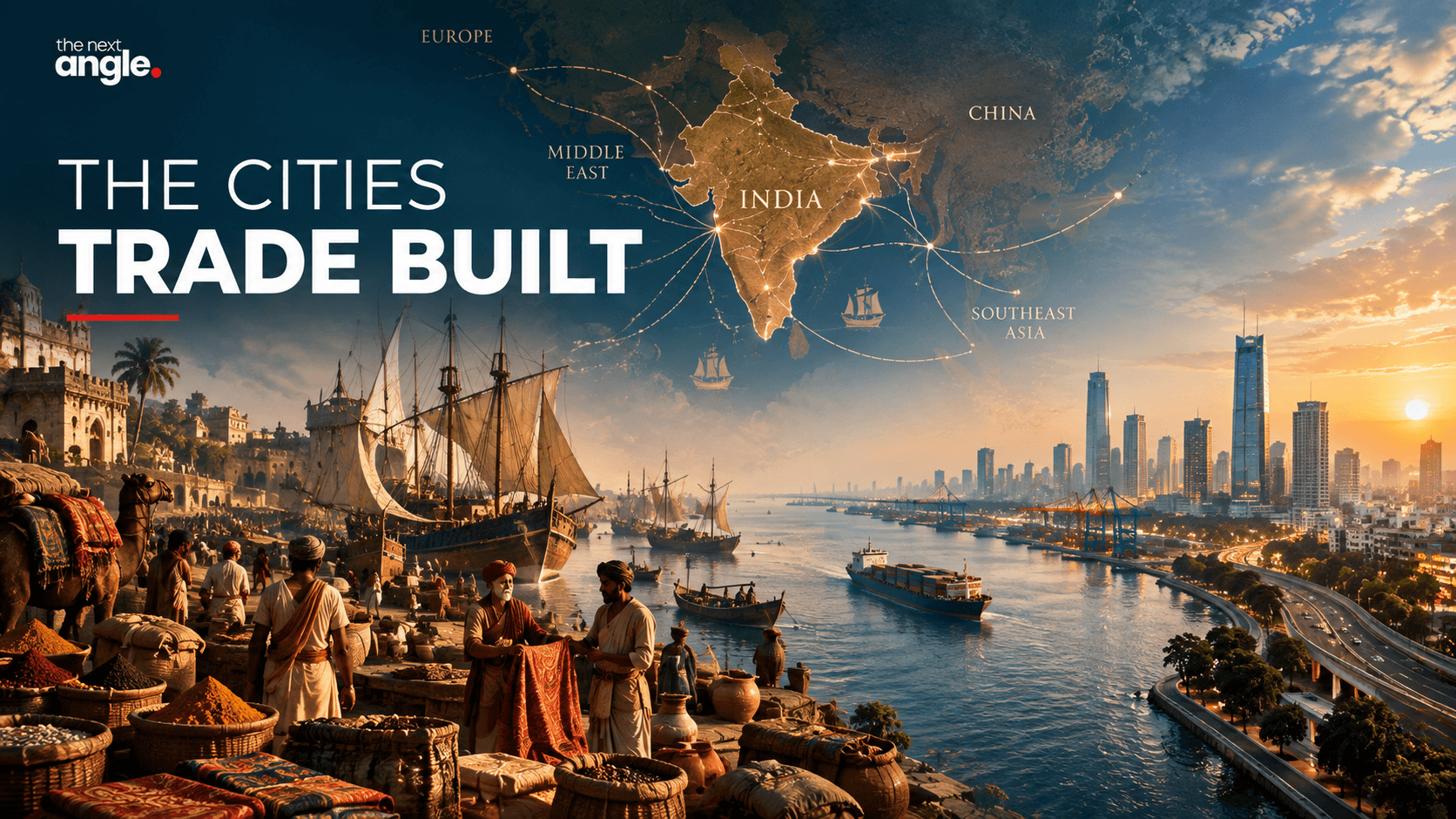
India and China are increasingly connected economically even while they remain cautious strategic competitors. India needs access to Chinese manufacturing and supply chains, while at the same time it wants to reduce the risks created by excessive dependence.
That makes the real question less about whether India should trade with China and more about the terms on which it trades with China.
If India can expand exports, strengthen domestic manufacturing and develop alternative supply chains while maintaining productive trade with Beijing, the current diplomatic thaw could become economically meaningful.
If imports continue to grow much faster than exports, however, the same relationship could deepen an imbalance that India has spent years trying to address.
The Modi-Xi meeting may therefore be remembered not simply as another step in repairing diplomatic ties, but as the beginning of a much harder economic conversation: Can India build a relationship with China based on interdependence without allowing that interdependence to become dependence?