BRICS Summit 2026: Can India Turn a Growing Bloc into a Stronger Global Voice?
As India hosts the BRICS Summit, the bloc faces questions about unity, global influence, trade, energy security and its relationship with the West.
By Editorial Desk7 min read
Share this story
BRICS is growing in size and influence, but internal differences continue to challenge its future. As India hosts the 2026 summit, the world is watching whether the bloc can move beyond diplomatic statements and become a practical force in global affairs.
BRICS Summit 2026: Can India Turn a Growing Bloc into a Stronger Global Voice?
The world is changing faster than traditional alliances can adapt.
As conflicts continue to reshape global trade, energy markets and diplomatic relationships, emerging economies are searching for a stronger voice in international affairs.
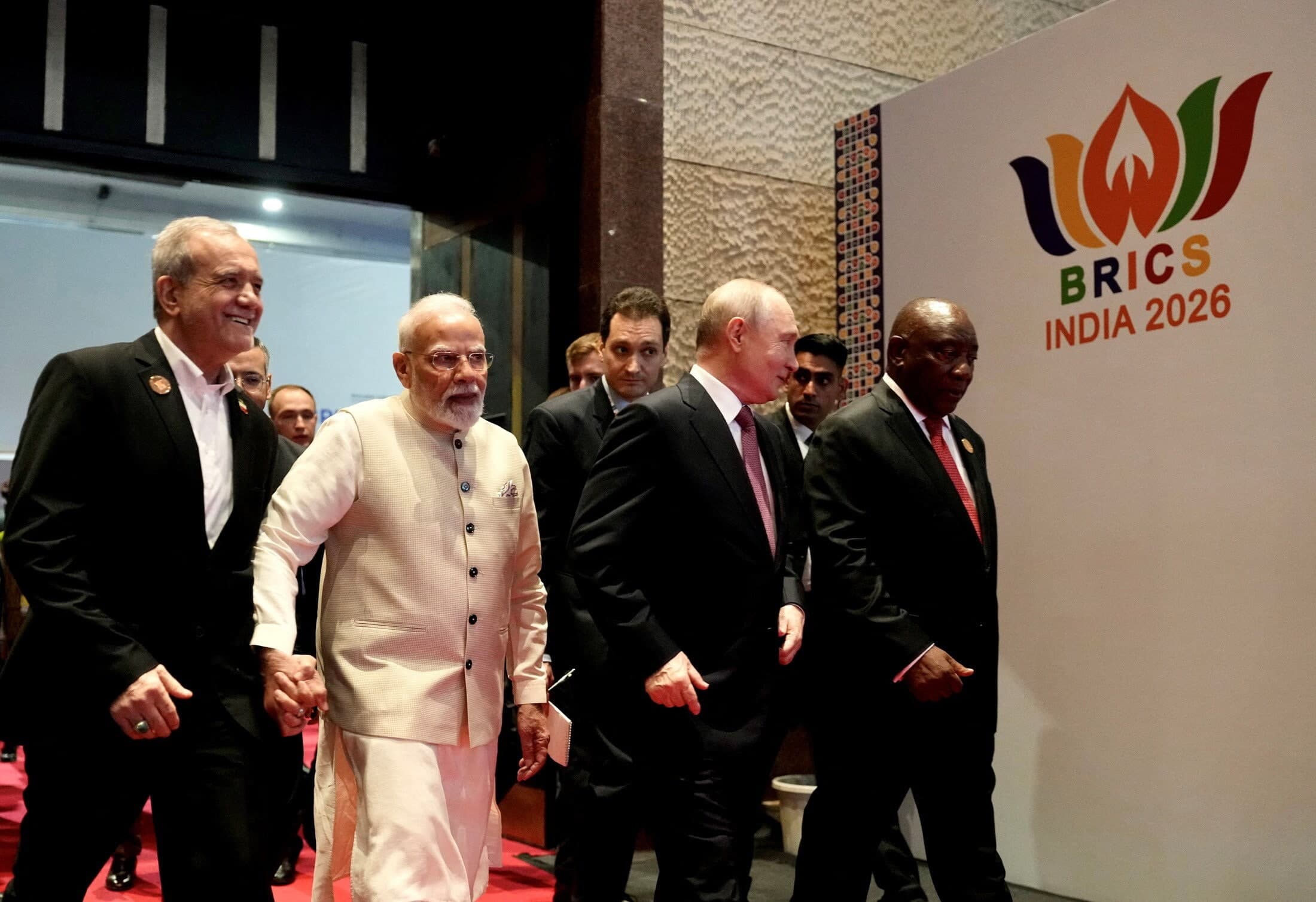
This week, attention has turned to New Delhi, where India is hosting the 2026 BRICS Leaders’ Summit on September 12 and 13.
The summit brings together leaders from an expanded group of major emerging economies, including India, China, Russia and Iran. Discussions are expected to focus on trade, investment, technology, energy security, food security and reforms to global institutions.
But behind the diplomatic meetings lies a bigger question:
Can BRICS become a practical force in global affairs, or will its internal differences limit its influence?
Degrees Are Increasing, but What Skills Are Employers Actually Looking For?
Its growing membership has increased its economic and political weight. However, it has also brought together countries with different strategic interests and diplomatic priorities.
Some members want a global financial system that is less dependent on Western institutions. Others are more focused on trade, infrastructure, technology and energy cooperation.
These priorities overlap in some areas, but not in all.
The conflict in West Asia has made these differences more visible. Iran’s membership and wider regional tensions have complicated the possibility of a unified position on major geopolitical issues.
For BRICS, expansion has created opportunity—but also a more difficult decision-making process.
India’s Balancing Act
India enters the summit with relationships across several competing power centres.
New Delhi maintains strong ties with Russia, including cooperation in defence, energy and trade. At the same time, India continues to deepen its relationship with the United States and European countries.
India also faces the challenge of managing differences with China while keeping communication channels open.
This makes India’s role particularly important.
New Delhi has increasingly positioned itself as a bridge between developed economies and the Global South. Its approach is based on strategic autonomy—working with different partners without becoming completely dependent on any one power bloc.
This balancing act may shape the tone of the summit.
India is likely to support a stronger global role for emerging economies, while avoiding an approach that turns BRICS into an openly anti-Western alliance.
Trade and Energy at the Centre
The summit comes at a time when wars and geopolitical tensions are affecting energy supplies and trade routes.
Oil prices, shipping routes and access to critical resources have become major concerns for developing economies.
For countries with large populations and growing energy needs, stability in energy markets is not simply an economic issue. It directly affects inflation, transport, food prices and household budgets.
BRICS members are expected to discuss ways to strengthen trade, investment and financial cooperation.
There is also growing interest in using national currencies for trade and reducing dependence on Western-led financial systems.
However, creating an alternative financial structure is not easy.
It requires trust, compatible banking systems, stable currencies and long-term political cooperation.
A political declaration may be achievable. Building a practical alternative will require much more work.
Technology Could Become the Real Opportunity
While geopolitics dominates headlines, technology may offer BRICS its most useful area of cooperation.
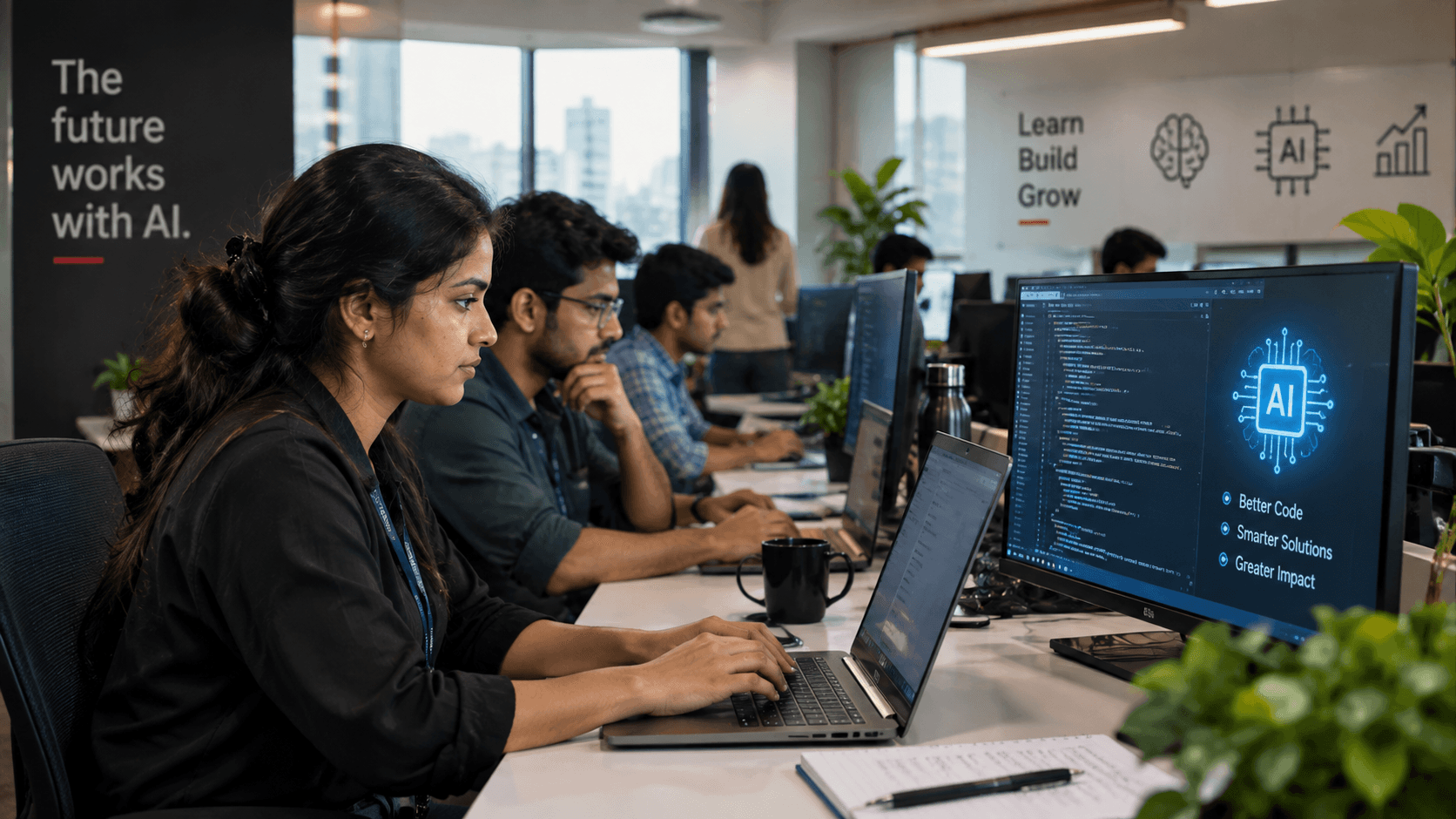
Artificial intelligence, digital payments, critical minerals, healthcare technology and clean energy are increasingly important to economic growth.
Cooperation in these areas could produce direct benefits for citizens and businesses.
For India, the summit is also an opportunity to highlight its growing technology sector and its ambition to become a major centre for digital innovation.
If BRICS focuses on research partnerships, startup cooperation, digital infrastructure and affordable technology, it could move beyond being a diplomatic platform and become a more practical economic network.
Technology may therefore become one of the few areas where member countries can cooperate despite their political differences.
The Problem of Unity
The biggest challenge for BRICS is not its size.
It is its ability to agree.
The member countries do not always share the same position on international conflicts, trade policies or relations with Western powers.
China and Russia often view BRICS as a way to challenge Western dominance. India, while supporting a more balanced global order, also maintains important relationships with the United States and Europe.
This creates a delicate situation.
If BRICS becomes too openly anti-Western, it may limit its ability to cooperate with countries that want economic partnerships without joining a geopolitical confrontation.
If it avoids difficult political issues entirely, it may struggle to present itself as a meaningful alternative voice.
The future of BRICS may therefore depend on whether it can remain flexible rather than ideological.
What the Summit Could Mean for India
For India, hosting the summit provides diplomatic visibility at a time of major global uncertainty.
It allows New Delhi to present itself as:
A bridge between developed and developing economies
A voice for the Global South
A partner in energy and food security
A growing technology and investment destination
A country capable of engaging with competing global powers
But the real success of the summit will not be measured only by speeches or photographs.
It will depend on whether participating countries can announce practical steps on trade, technology, investment, financial cooperation and crisis management.
India’s leadership will be judged by the outcomes it helps produce—not simply by the number of leaders attending the event.
The Bigger Question
BRICS is no longer a small grouping of emerging economies.
Its expansion has made it an important part of the global conversation.
Yet influence is not created by population or economic size alone.
Influence requires coordination, trust and the ability to turn common interests into common action.
India’s 2026 summit is an opportunity to push BRICS in that direction.
The question is whether the bloc can move from being a symbol of a changing world order to becoming an institution capable of shaping it.
Conclusion
The BRICS Summit 2026 comes at a moment when the global system is under pressure from wars, trade tensions and shifting alliances.
India has the opportunity to give the bloc a more practical and balanced direction.
But that will require more than statements about cooperation.
BRICS must prove that its members can work together despite their differences.
The world is watching—not only to see what BRICS says, but to see what it can actually do.